
Boiler pressure. Know what you’re looking at.
A pressure reading is useful information, but it does not identify a fault on its own. Start with the user instructions for your exact boiler and heating system.
Find my boiler manual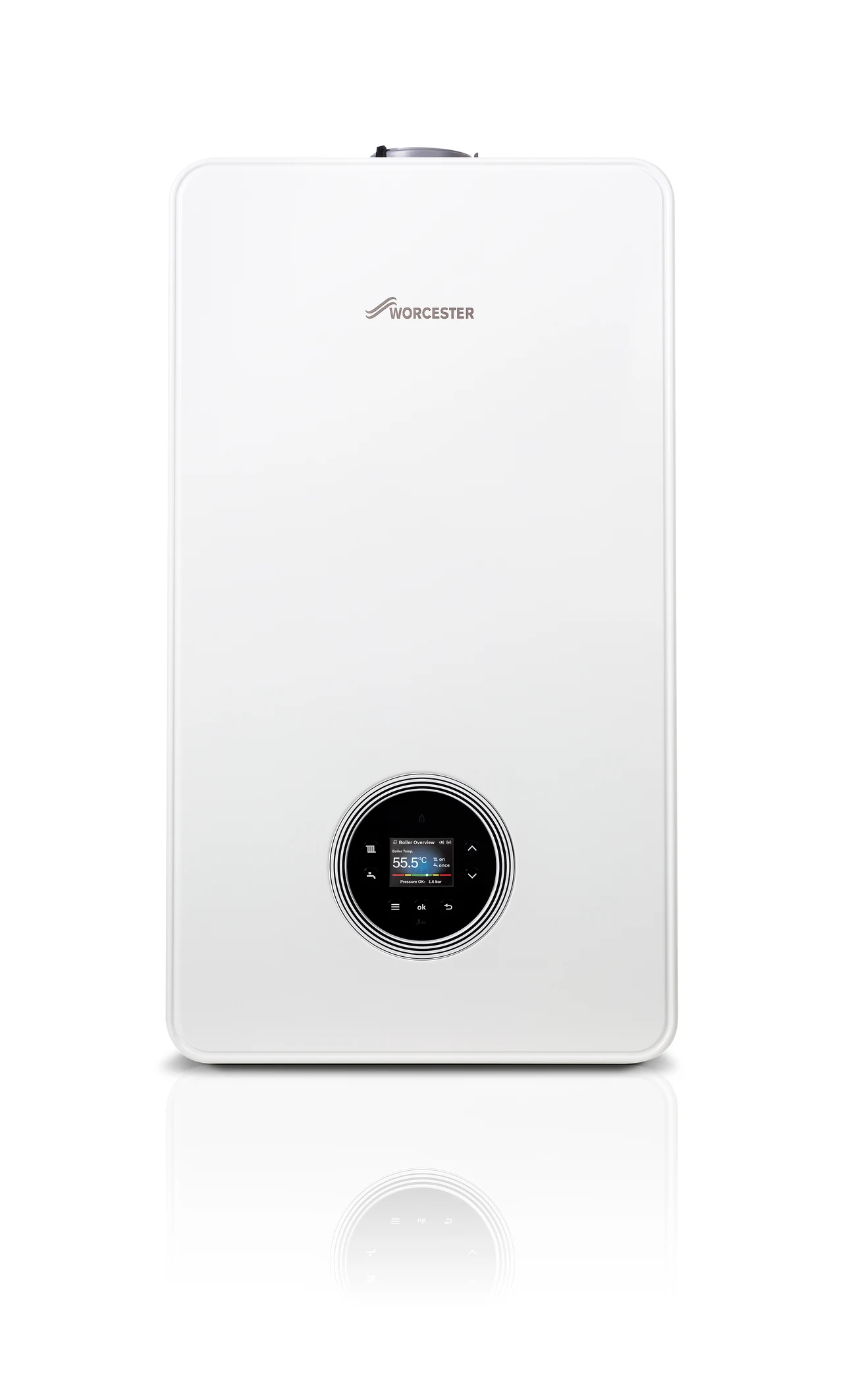
Read the correct display
Your boiler may show pressure on a dial or a digital screen. Check the unit and record whether the heating was running or had cooled down. Compare the reading with the range stated in your own user manual. There is no single number that replaces the instructions for every installation.
A pattern is more useful than one reading
Keep a short record if pressure is changing: the date, displayed value, whether heating was on and any message shown. Tell the engineer about recent radiator work or a visible leak. Do not remove the boiler casing or disturb pipework to look for a cause.
Repeated topping up needs investigation
Pressure loss can have different causes. If the system needs frequent refilling, arrange a professional check rather than treating topping up as the repair. Use only the procedure specified for your installation if the manufacturer allows a user top-up; stop and ask for help if you cannot identify the controls confidently.
Make your enquiry useful
Send the model, a clear picture of the display and your pressure record. Explain whether you have heating and hot water. Our contact team can discuss the next step; sending an enquiry does not reserve an emergency visit.
- Exact model and any displayed code
- Reading with the heating on or off
- How often the issue returns
A little more clarity.
Is a pressure drop proof that the boiler needs replacing?
No. A qualified engineer needs to establish the cause before repair or replacement is considered.
Should I use a guide for a similar boiler?
Use the matching model and installation instructions. Filling arrangements can differ even within a brand.